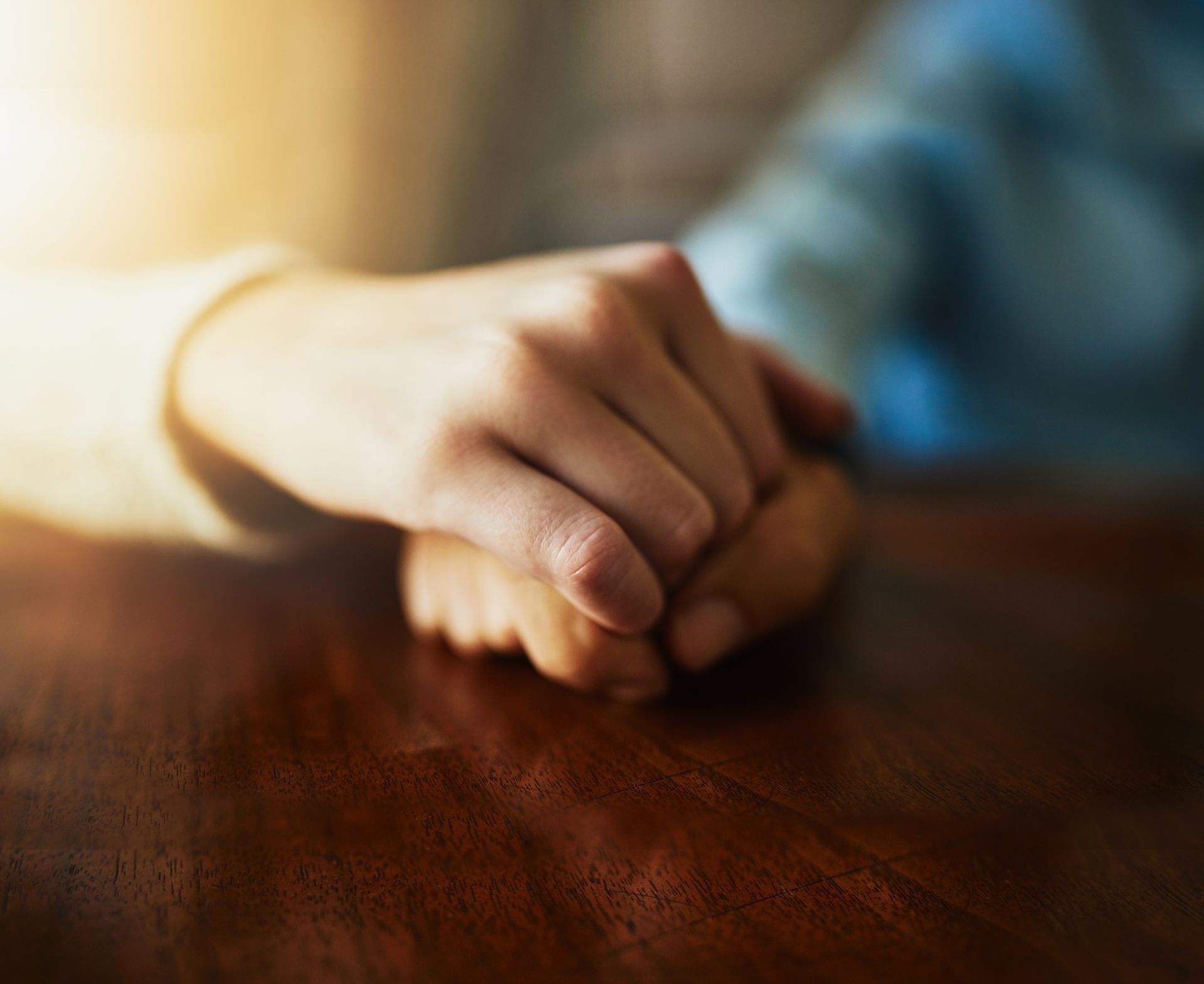
How journaling can help your grief process

After you've experienced a loss, journaling is a healthy way to release emotions that you may be keeping inside, and to help you move forward in your healing journey. Grief Counselor Joy Bishop, a clinically licensed social worker and a certified counselor in death and grief by Dr. Alan Wolfelt's Center for Loss and Life Transition, gives advice on the grieving process and importance of grieving in your own way, at your own pace. Joy encourages those going through their grief journey to keep a journal. Here she gives a few tips for journaling to help you get started.

Keep writing when you start. Don't go back and re-read or edit what you wrote. Just keep writing without thinking about it too hard. The natural flow of your emotions will likely come pouring out and will feel therapeutic.

Write as if no one is judging you. Keep your journal private to you and write like no one will read it. Treat your journal like it is exclusively yours to release emotions and don’t hold back on what you write, this will help to get everything you’re feeling off your chest.

Forget logic and grammar when writing. Don’t think about how you’re writing, just let it flow naturally. Throw logic and grammar out the window when writing and just write for your own emotional health.

Use a prompt to get you started. If you are stuck on how to begin journaling, here are some prompts to get you going:

* What I want to hear from you...
* I am so angry with you for...
* We had a great time when we...
* No one but you made me feel...
* I am grateful for you because...
* I don't want to wake up in the morning without you because...
* You broke my spirit by...
* This sucks that you left my world. This is how it feels without you..


Writing your thoughts and feelings in a grief journal helps to you validate and process what you are going through and can be a powerful tool on your grief journey.

By Tukios Websites May 17, 2024
Memorial Day, a day of remembrance and gratitude, is a time when we pay tribute to those who have made the ultimate sacrifice in service to their country. While the day is often marked by ceremonies, parades, and visits to cemeteries, one tradition that stands out for its symbolic significance is the use of flowers. Flowers have a profound way of expressing our emotions, from love and appreciation to sympathy and remembrance. On Memorial Day, flowers play a crucial role in honoring the memory of fallen heroes, bringing comfort to grieving families, and reminding us of the sacrifices made for our freedom. The Poppy: A Symbol of Remembrance In many countries, the red poppy has become synonymous with Memorial Day and honoring fallen soldiers. This tradition has its roots in the famous poem "In Flanders Fields" by Lieutenant Colonel John McCrae, a Canadian physician who served in World War I. The poem describes how poppies grew amidst the graves of soldiers in Flanders, Belgium, where some of the fiercest battles of the war took place. Inspired by this imagery, the poppy has since been used as a symbol of remembrance for those who died in war. Placing Flags and Flowers On Memorial Day, cemeteries across the United States are adorned with American flags and colorful flowers. Families and volunteers gather to place flags at the graves of veterans, while floral arrangements are carefully arranged to honor their memory. The act of placing flowers is a tangible expression of respect and gratitude, a way to ensure that the sacrifices of these individuals are never forgotten. Memorial Day Floral Traditions  Different regions and communities have their own unique traditions when it comes to Memorial Day flowers. In some areas, volunteers create "Flag Gardens," where thousands of small American flags are placed to create a striking visual tribute. In others, communities come together to create elaborate floral displays or host flower-laying ceremonies at memorials and monuments. Memorial Day flowers serve as a poignant reminder of the sacrifices made by our military service members. From the iconic red poppy to the countless floral arrangements adorning gravesides, each bloom carries with it a message of remembrance, gratitude, and hope. As we pause to honor the fallen this Memorial Day, let us also take a moment to appreciate the beauty and significance of the flowers that help us remember and honor their legacy.
By Tukios Websites May 17, 2024
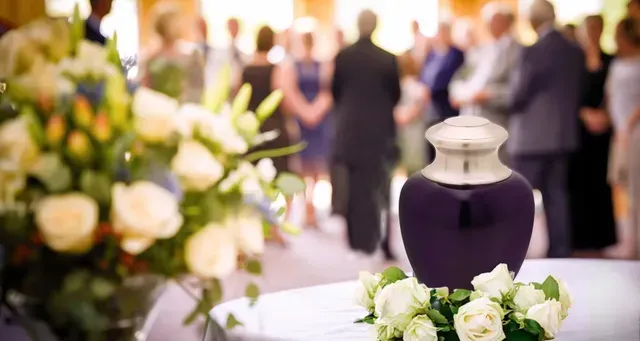
Making decisions about end-of-life arrangements can be a deeply personal and emotional process. Among the most significant decisions individuals and families face is whether to opt for burial or cremation. Each option carries its own set of advantages and considerations, and understanding the pros and cons can help individuals make informed choices that align with their beliefs, preferences, and cultural traditions. Burial: Pros: Traditional and Cultural Significance: Burial has been a common practice across many cultures and religions for centuries, offering a sense of tradition, continuity, and reverence for the deceased. Physical Memorialization: Burial provides a tangible gravesite where loved ones can visit, pay respects, and find solace. For many, having a designated place for remembrance serves as a comforting and meaningful connection to the departed. Environmental Considerations: While conventional burial practices may involve embalming and non-biodegradable materials, eco-friendly burial options such as natural or green burials are gaining popularity. These practices prioritize environmental sustainability by using biodegradable materials and minimizing the ecological footprint. Cons: Cost Considerations: Traditional burial can be more expensive than cremation due to expenses such as casket, burial plot, headstone, and maintenance fees for the gravesite. Limited Flexibility: Once a burial takes place, the gravesite becomes a permanent memorial, offering limited options for relocation or modification. Space Constraints: In densely populated areas or urban settings, finding available cemetery space for burial may be challenging, leading to increased costs or limited choices. Cremation: Pros: Cost-Effectiveness: Cremation is generally more affordable than traditional burial, as it eliminates expenses associated with caskets, burial plots, and cemetery maintenance. Flexibility and Portability: Cremated remains, or cremains, offer flexibility in memorialization options. Families can choose to scatter the ashes in a meaningful location, keep them in an urn at home, or inter them in a variety of locations, including cemeteries, memorial gardens, or columbariums. Space Conservation: Cremation addresses the issue of limited cemetery space, making it a practical choice in regions where burial space is scarce. Cons: Religious and Cultural Considerations: Some religions and cultures have specific beliefs and traditions regarding burial and cremation, and individuals may face challenges in reconciling these practices with their personal preferences. Emotional Considerations: For some individuals, the thought of cremation may evoke feelings of discomfort or unease, particularly if they have strong emotional or cultural ties to burial traditions. Lack of Physical Memorialization: While cremation offers flexibility in memorialization options, some individuals may find comfort in having a physical gravesite for remembrance, which cremation may not provide to the same extent.  In conclusion, the choice between burial and cremation is deeply personal and influenced by a variety of factors, including cultural beliefs, financial considerations, and emotional preferences. By weighing the pros and cons of each option, individuals can make informed decisions that honor their loved ones' memory and provide comfort and closure for themselves and their families. Ultimately, regardless of the chosen method, the most important aspect is creating a meaningful and dignified tribute that celebrates the life and legacy of the departed.
By Tukios Websites May 17, 2024
In an era defined by technological innovation, it's no surprise that even the most traditional aspects of life, such as funerals, are undergoing a digital transformation. While the core essence of honoring and remembering loved ones remains unchanged, technology is reshaping the way we approach funeral services, offering new avenues for connection, commemoration, and healing. Live-Streaming Services: One of the most significant impacts of technology on funerals is the ability to live-stream services. With live-streaming, friends and family members who are unable to attend in person due to distance, illness, or other reasons can still participate in the ceremony remotely. Whether it's a funeral service or memorial gathering, live-streaming allows loved ones to be present virtually, offering comfort and closure during difficult times. Virtual Memorials and Online Tributes: Beyond live-streaming, technology enables the creation of virtual memorials and online tributes. These digital platforms serve as spaces where friends and family members can share memories, photos, and stories of the deceased. From social media memorial pages to dedicated websites and digital guest books, these online tributes provide a lasting legacy that can be accessed and revisited by loved ones for years to come. Digital Keepsakes and Memorabilia: Technology also offers innovative ways to preserve and cherish memories of the departed. From digital photo albums and video montages to personalized memorial websites and tribute videos, these digital keepsakes allow families to celebrate the life of their loved one in a meaningful and creative way. Additionally, advancements in 3D printing technology even enable the creation of custom urns and memorial jewelry, providing unique and personalized mementos that honor the memory of the deceased. Enhanced Communication and Support: In times of grief, communication and support are crucial. Technology facilitates communication among grieving family members and friends, enabling them to stay connected and provide mutual support throughout the grieving process. Whether it's through group chats, video calls, or online support forums, technology offers avenues for sharing emotions, offering condolences, and seeking comfort from others who understand their loss. Digital Funeral Planning and Arrangements: In the realm of funeral planning and arrangements, technology streamlines processes and enhances convenience for both funeral homes and families. Online platforms and mobile apps allow individuals to pre-plan their funerals, make arrangements, and even purchase funeral merchandise from the comfort of their homes. These digital tools simplify the logistics of funeral planning while empowering individuals to make informed decisions about their end-of-life wishes. While the rituals and traditions surrounding funerals remain deeply rooted in our cultural fabric, technology has undeniably become an integral part of the funeral experience. From live-streaming services to virtual memorials and digital keepsakes, technology offers innovative ways to honor, remember, and celebrate the lives of our loved ones. By embracing these technological advancements, we can enhance the funeral experience, foster connections, and provide comfort and support to those who are grieving.
By Tukios Websites May 17, 2024
Death, despite being the one certainty in life, remains one of the most taboo topics in many societies. However, a growing movement known as "death positivity" seeks to change this narrative by encouraging open discussions and acceptance of mortality. But what exactly does it mean to be "death positive"? At its core, being death positive means embracing death as a natural and inevitable part of life, rather than something to be feared or avoided. It involves confronting our own mortality and acknowledging the reality of death, not with dread, but with acceptance and even celebration. This movement encourages conversations about death, dying, and grief, aiming to destigmatize these topics and promote a healthier relationship with the end of life. One of the key principles of the death positive movement is the belief that death is a normal part of the human experience and should be acknowledged and respected as such. By embracing death, individuals can gain a deeper appreciation for life, recognizing its fragility and impermanence. This perspective encourages people to live more fully, to cherish their loved ones, and to pursue their passions and dreams without the shadow of fear hanging over them. Another important aspect of death positivity is advocating for more open and transparent discussions about end-of-life care and planning. This includes conversations about advance directives, funeral arrangements, and other practical matters related to death. By addressing these topics openly and honestly, individuals can ensure that their wishes are known and respected, relieving the burden on their loved ones during times of grief and decision-making. It’s important to note that being death positive does not mean being indifferent to death or denying the pain of loss. Grief and mourning are natural responses to death, and the death positive movement recognizes the importance of allowing individuals the space and support to process their emotions in their own way. However, by embracing death as a natural part of life, this movement seeks to empower individuals to confront their fears and anxieties surrounding death, ultimately fostering a greater sense of peace and acceptance. In a society that often shies away from discussions about death, the death positive movement offers a refreshing and much-needed perspective. By encouraging open conversations, advocating for end-of-life planning, and challenging cultural taboos, this movement invites us to embrace our mortality and live more fully in the present. In doing so, we can find comfort, meaning, and even beauty in the cycle of life and death, enriching our lives and relationships in the process.
More Posts »

More Resources & Support